
Maximizing Blog Traffic with Optimized Content Strategies
Are you tired of watching your blog traffic plateau? Do you want to take your online presence to the next level without breaking the bank on advertising or gimmicks? Look no further! In this article, we’ll dive into the world of optimized content strategies that will help you maximize your blog traffic and establish yourself as a thought leader in your niche.
The Power of Search Engine Optimization (SEO)
In today’s digital landscape, search engine optimization is more crucial than ever. By crafting high-quality, keyword-rich content that resonates with your target audience, you can improve your website’s visibility on search engines like Google. This means more eyeballs on your blog, more opportunities for engagement, and ultimately, more leads and conversions.
So, what are the key ingredients to a successful SEO strategy?
1. Conduct thorough keyword research: Use tools like Google Keyword Planner or Ahrefs to identify relevant keywords and phrases that align with your content goals.
2. Optimize on-page elements: Ensure your meta title, description, and header tags accurately reflect the content of each page.
3. Create high-quality, engaging content: Write for humans first, search engines second! Focus on providing value to your readers through informative, well-researched articles.
The Benefits of Long-Form Content
When it comes to maximizing blog traffic, long-form content is a game-changer. Not only do longer pieces allow you to dive deeper into topics and provide more value to your audience, but they also tend to rank higher in search engine results pages (SERPs).
Some benefits of long-form content include:
* Increased engagement: Readers are more likely to engage with longer articles, sharing them on social media and leaving comments.
* Improved SEO rankings: Longer pieces often rank higher in SERPs due to their increased word count and depth of content.
* Authority establishment: High-quality, in-depth content establishes you as a thought leader in your niche.
The Magic of Internal Linking
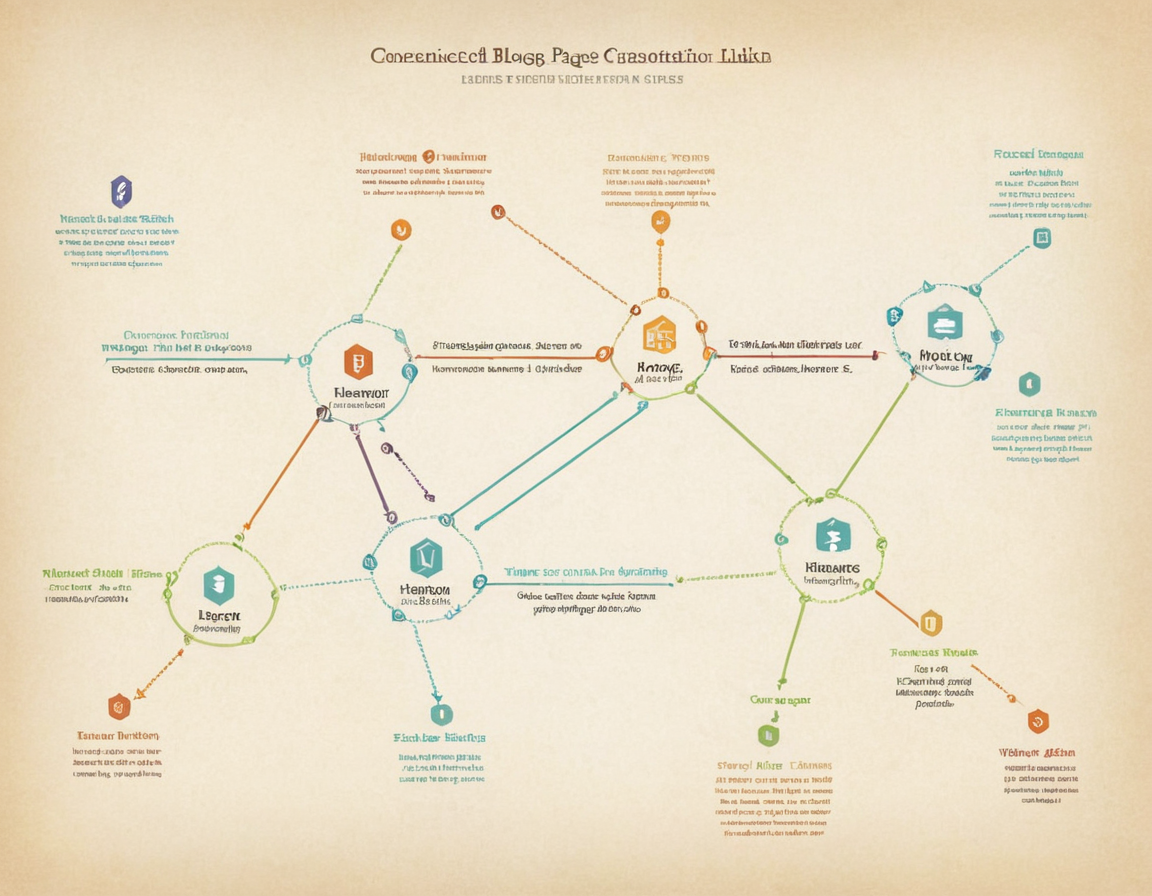
Internal linking is another crucial aspect of optimized content strategies. By linking to relevant articles on your own website, you can:
* Improve user experience: Guide readers through your content with clear and concise links.
* Increase dwell time: Encourage visitors to explore more of your site by providing easy access to related content.
* Boost SEO rankings: Search engines see internal linking as a sign of high-quality content and relevance.
The Art of Repurposing Content
We’ve all been there: struggling to create new, engaging content on a tight deadline. That’s where repurposing content comes in! By taking existing articles or blog posts and reworking them into different formats (e.g., videos, podcasts, infographics), you can:
* Reduce content creation stress: Reuse and reuse your best material without sacrificing quality.
* Reach new audiences: Repurpose content for social media, email newsletters, or other channels to reach readers who might not have seen it otherwise.
The Power of Guest Blogging
Guest blogging is another effective way to maximize blog traffic. By collaborating with influencers in your niche and writing guest posts for their blogs, you can:
* Reach new audiences: Tap into the existing audience of a well-established blogger or brand.
* Build backlinks: Receive high-quality backlinks from authoritative sites, boosting your SEO rankings.
Conclusion
Maximizing blog traffic requires a combination of optimized content strategies, careful keyword research, and a deep understanding of what resonates with your target audience. By implementing these techniques – including search engine optimization, long-form content creation, internal linking, repurposing content, and guest blogging – you’ll be well on your way to establishing yourself as a thought leader in your niche.